SP and Public Libraries
Public libraries play an important SP role and are crucial for social health. In fact, libraries not only offer free resources you can use on your own (without a referral) but they often serve as central community hubs by hosting local events and learning opportunities, allowing you to connect with others.
Libraries also help you access:
● Community gardens
● Community health education resources
● Fitness programs
● Group art courses
● Local exercise facilities
● Meditation spaces
● Special events
● Sports leagues
● Video and board game events
● Year-round outdoor recreation
● And more.
For Prescribers
Public libraries offer clients event programming, technology to increase digital equity (like hotspots to apply for jobs or take online courses) and recreational items like park passes, skates, snowshoes, and more.
A prescriber may suggest a park pass for a client, for example. After this, the client can get a library card if they don’t already have one, be notified when their pass is ready, and use their card to retrieve the pass. (In this example: If a prescriber has made joining a walking group part of a client’s care plan, libraries have health tools like pedometers.)
Library staff won’t determine what a client needs, but they can tell prescribers what’s available.
Cambridge Public Library (CPL)
Connect with CPL at cambridgepl.ca.
CPL’s resources cover at-home service, creative programming, digital access, employment and volunteer pathways, newcomer support, and recreation lending. Clients can access newcomer services, borrow park passes and sports equipment, drop in for free public programming, find volunteer placements/job search help, have library materials delivered, use computers and Wi-Fi, and visit free exhibitions.
Cambridge Public Library resources:
● Computers, Laptops, and Wi-Fi
● Featured Programs and Events
● Visiting Library Service (VLS)
Kitchener Public Library (KPL)
Reach KPL at kpl.org.
On top of recognition for their Wellbeing and Community Connections programming, KPL has built social support into their initiatives. Staff offer relationship-centred support, enabling prescribers to point clients to KPL as a low-barrier SP entry point connecting community members with available supports. KPL’s resources cover creative and social programming, employment support, language and literacy practice, and newcomer aid. Clients can borrow musical instruments and other non-book items, create artwork, develop literacy skills, join book clubs, partake in environmental programs, practise English skills, and search for jobs.
KPL resources:
● English as a Second Language (ESL) Support
Region of Waterloo Library (RWL)
Find RWL at rwlibrary.ca.
RWL’s resources cover digital access, gardening, newcomer support, outdoor and cultural passes, social play and hobbies, and wellness and cognitive support kits. Clients can access a seed library; borrow board and card games, hobby kits, and wellness kits; borrow mobile hotspots; find kits designed for those living with dementia or memory loss; get newcomer support; get support for time outdoors; and visit free galleries and museums.
RWL resources:
● Mobile Hotspot Lending Program
● Newcomers to Waterloo Region
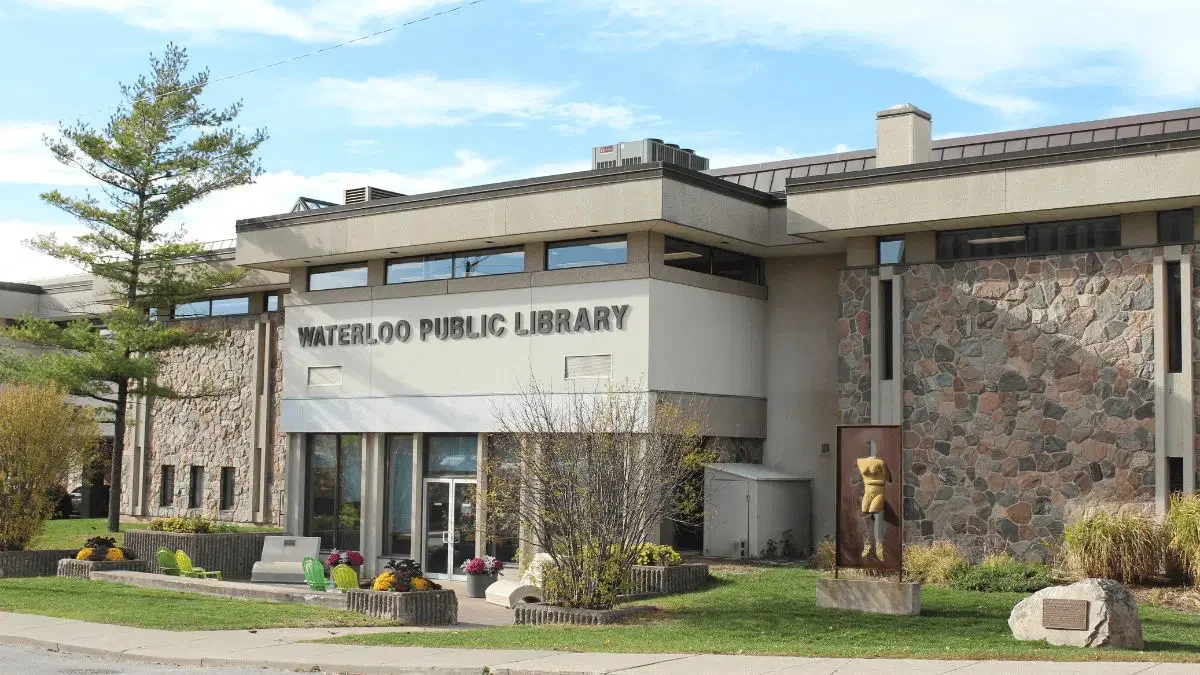
Waterloo Public Library (WPL)
WPL’s website: wpl.ca.
WPL’s resources cover family and childcare navigation, housing aid, newcomer aid, older adult connections, and recreation and technology lending. Clients can borrow games, devices, and park passes; find childcare and early years support; get help when facing eviction; join programming for older adults’ social connection; and receive employment, language, and newcomer support.
WPL resources:
● Early Years and Child Care Navigators